macOS Slow After Startup? Here’s Why and How to Fix It
You turn on your Mac, enter your password, and… wait. The beachball spins. The Dock appears sluggish. Everything takes longer than expected. Sound familiar?
If your macOS is slow after startup, you’re not alone. Many users notice lag, fan noise, and delays right after boot—even on relatively new machines. But the good news? It’s often not hardware—it’s habits, hidden processes, and fixable settings.
This article breaks down the causes of startup slowness, and how to fix it quickly and cleanly—without becoming a macOS expert or resetting your system. Ready?
Why Is Your Mac Slow Right After Boot?
1. Too Many Login Items
Every app that auto-launches at startup adds to the initial load. Slack, Dropbox, Creative Cloud, OneDrive, Zoom, Notion… They all open at once and fight for CPU, RAM, and bandwidth.

2. Background Services Kicking In
After startup, macOS triggers services like:
- 🔍 Spotlight indexing
- 📷 Photos/iCloud syncing
- 📩 Mail fetching
- ☁️ Time Machine status checks
All of these launch in parallel, often invisibly, and drag your system down for several minutes.
3. Web Browsers Restoring Sessions
If you left Safari or Chrome with 15 tabs open, they’ll all reload after startup. That’s a massive hit on CPU and memory—especially with media or animated websites.
4. System Not Fully Awake Yet
Even if the interface appears ready, macOS continues to initialize drivers, manage external displays, and re-establish Bluetooth and Wi-Fi connections behind the scenes. It can take up to 3–5 minutes for things to stabilize.
5. Intel Macs Are More Sensitive
Older Intel Macs (especially with HDDs or low RAM) suffer the most from startup pressure. M1/M2 Macs do better—but even they’re not immune to the bottleneck effect of too many background tasks.
How to Fix macOS Slowness After Startup
✅ Step 1: Disable Unnecessary Login Items
Go to System Settings → General → Login Items. Remove anything you don’t use immediately. Less is more. You can always open apps manually when needed.
Right after startup, you can pause power-hungry tools like Slack, Discord, Dropbox, or Teams until you really need them. Less CPU usage = faster system = better mood.
✅ Step 3: Delay or Manage Cloud Syncs
Apps like iCloud Drive, OneDrive, or Google Drive can slow down your Mac as they resync at boot. Try pausing or limiting sync for large folders until later in the day.
✅ Step 4: Avoid Auto-Reopening Web Browsers
Disable the option “Reopen windows when logging back in.” Otherwise, your browser will auto-launch and reload every tab—creating lag and thermal spikes.
✅ Step 5: Restart More Often
Leaving your Mac on for weeks may feel efficient, but it leads to memory leaks, zombie processes, and accumulated lag. Restart every 2–3 days to keep your startup fresh and clean.
What About Safe Mode or Clean Installs?
Yes, Safe Mode can help diagnose problems—but it’s not ideal for daily use. And clean installs are a last resort. Before that, try better app and process management—you’ll often see huge gains without wiping your system.
Bonus: Auto-Pause
Your First 5 Minutes Matter
The startup experience defines your whole work session. If it’s laggy, loud, or hot—you’re frustrated before you even begin. But with the right setup, your Mac can boot quietly, quickly, and cleanly every time.
✅ Fewer auto-launching apps ✅ Less fan noise ✅ Faster response ✅ More control
Conclusion: Make Startup a Smooth Experience
If macOS is slow after startup, it’s not a mystery—and it’s not your fault. Background load, unnecessary app launches, and sync storms all contribute. But you can fix it.
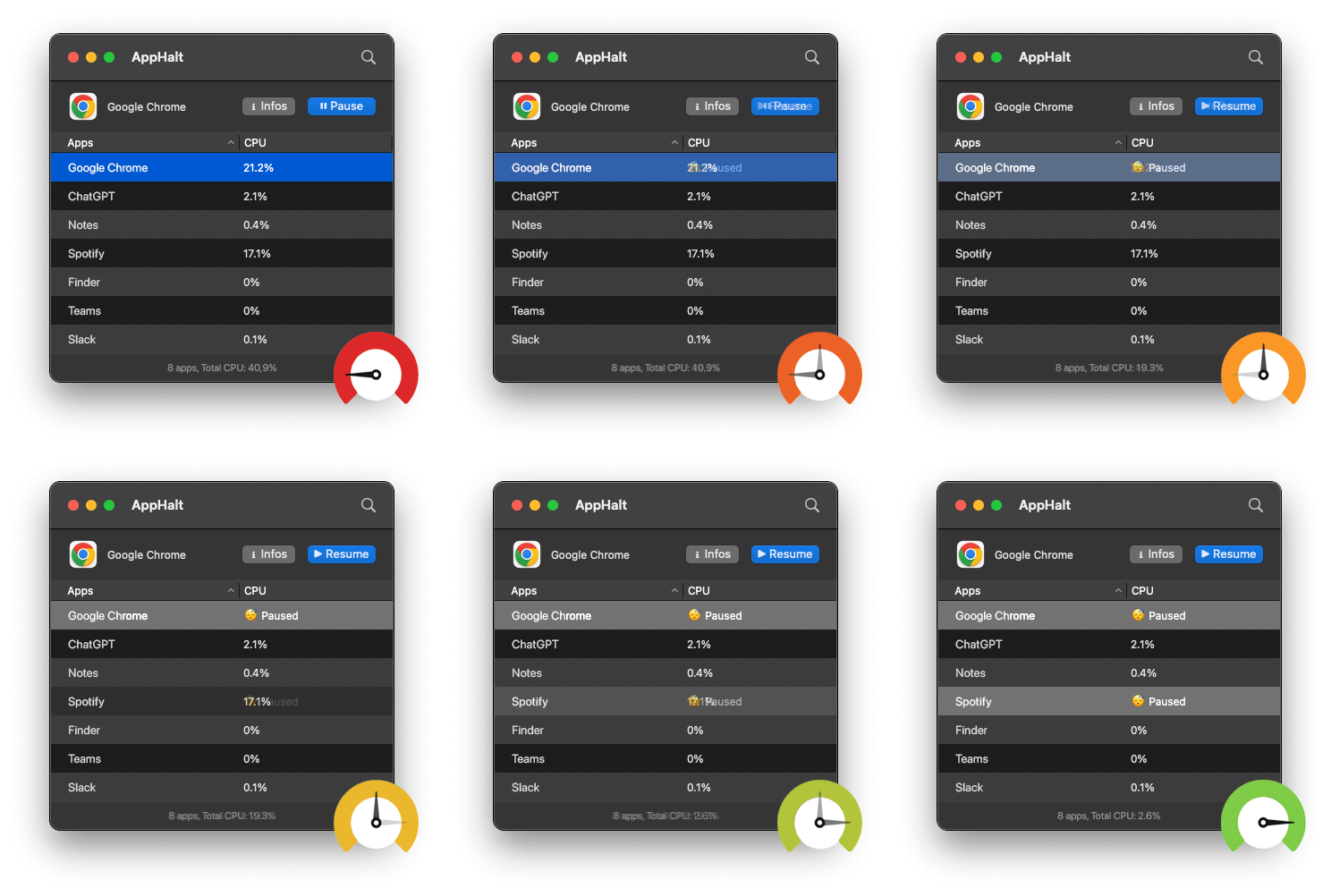
Pause background apps, reduce boot-time stress, and start working faster—every day.
- ✅ Avoid lag after boot
- ✅ Stop unnecessary startup drain
- ✅ Make your Mac fast from the first click
Where AppHalt may help
If Activity Monitor shows a regular app you recognise using resources while you do not need it, AppHalt gives you a reversible option: pause that selected app without quitting it, then resume it later. AppHalt does not repair macOS or guarantee a speed, temperature, battery, or stability result; the effect depends on what the app was doing.
Do not pause an app that is uploading, syncing, backing up, rendering, recording, playing media, or handling a call you need to continue.