
Mac Suddenly Slow? Here’s What’s Really Going On—and How to Fix It
Everything was fine. Your Mac was smooth, fast, responsive. And then, out of nowhere… it slows to a crawl. Apps take longer to open, switching tabs becomes a laggy mess, and your fan kicks in without warning.
When your Mac suddenly gets slow, it’s not only frustrating—it’s also confusing. What changed? What broke? And most importantly: how do you get that speed back?
Let’s decode the most common (and often invisible) reasons behind a sudden Mac slowdown—and how to fix it fast, without wiping your system or spending hours troubleshooting.
Top Reasons Your Mac Is Suddenly Slow
1. One App Going Rogue
It only takes one app to cause chaos. Sometimes an app like Dropbox, Chrome, Zoom, or even a game gets stuck in a CPU loop. It keeps using resources in the background, draining performance and heating up your system—without alerting you.
2. Background Sync or Spotlight Indexing
After a file move, drive change, or macOS update, Spotlight can decide to reindex everything. It consumes CPU and disk activity heavily, slowing everything else in the process.
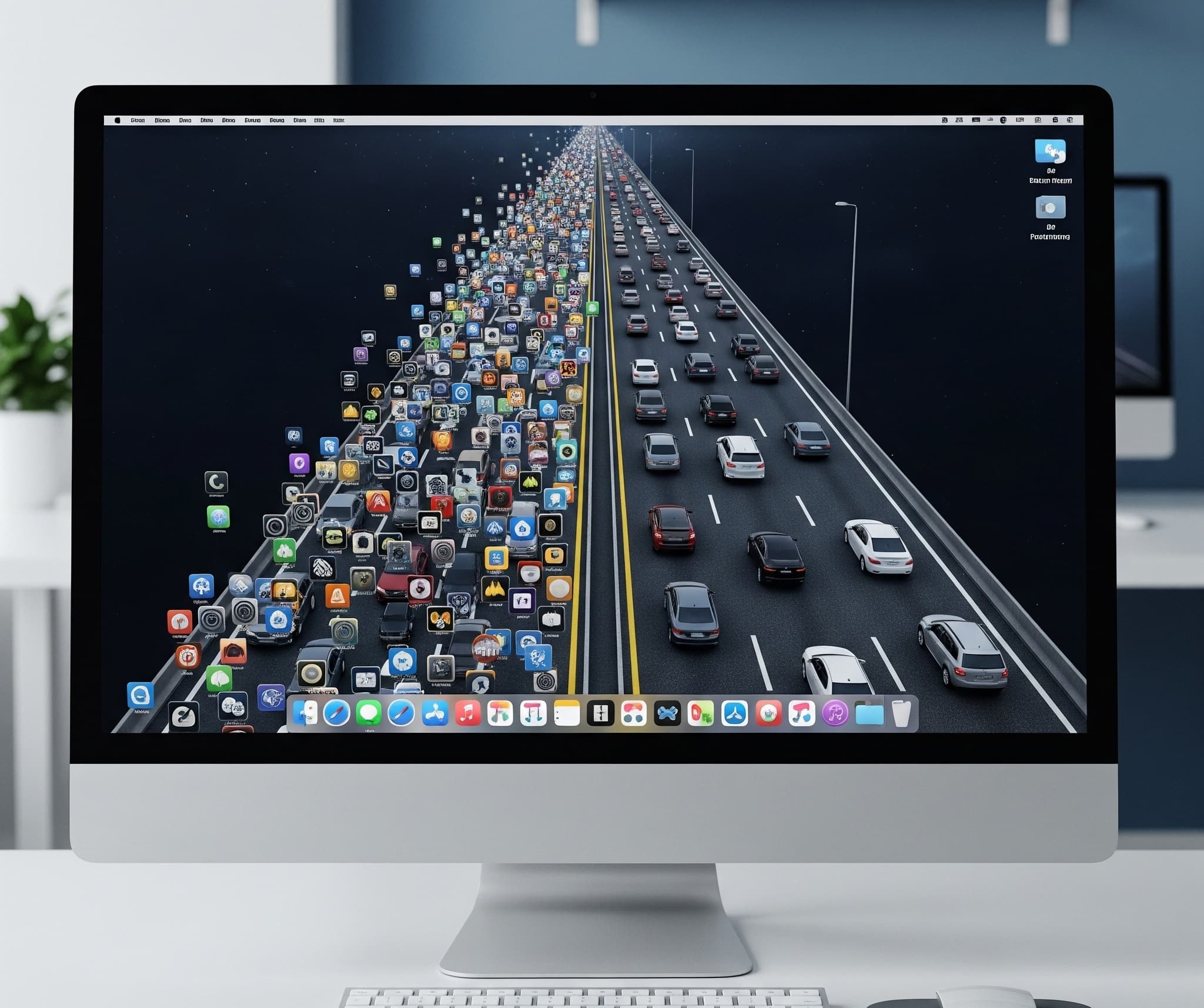
3. Not Enough Free RAM or Disk Space
If your RAM is full, macOS starts using the disk as virtual memory. And if the disk is almost full too… you hit the slowdown wall. Performance drops dramatically, and apps feel frozen even when they’re technically open.
4. Too Many Tabs or Open Apps
Dozens of Safari or Chrome tabs, a bunch of apps left open overnight, maybe some video rendering or virtual meetings in the background… It stacks up quickly—and slows your system in minutes.
5. macOS Sleep/Wake Glitches
Some users experience lag just after waking their Mac from sleep. This is often due to background services resuming (iCloud, Mail, Time Machine, etc.), or misbehaving apps trying to reconnect instantly.
How to Diagnose a Sudden Mac Slowdown
✅ Step 1: Open Activity Monitor
Go to Applications → Utilities → Activity Monitor. Sort by “% CPU” and see what’s hogging resources. Also check Memory and Energy tabs for apps that overconsume RAM or battery.
✅ Step 2: Look for App Misbehavior
✅ Step 3: Free Up Space
Click the Apple Menu → About This Mac → Storage. If your disk is more than 85% full, delete old files, videos, or downloads. Use external drives if needed—macOS needs breathing room.
Quick Fixes for a Mac That’s Suddenly Slow
It’s perfect for things like Slack, Photoshop, Spotify, or even Final Cut—apps that often run in the background without being active.
✅ Restart Your Mac
Sounds basic, but it works. Restarting clears memory leaks, resets services, and gives macOS a clean state. If you haven’t rebooted in days, it’s time.
✅ Disable Unused Startup Items
Go to System Settings → General → Login Items and remove any app you don’t need immediately at startup. Fewer auto-launching apps = faster, cooler system.
✅ Clean System Cache and RAM
What If It Happens Often?
If your Mac slows down randomly multiple times per week, consider:
- 📦 Reducing background apps permanently
- ⚙️ Resetting SMC/NVRAM (Intel Macs)
- 🆙 Keeping macOS and apps updated
Sometimes, the problem is not one big issue—but several small things stacking up over time.

Real Users Say It Best
Conclusion: When Your Mac Suddenly Slows Down, Take Back Control
A Mac suddenly slow doesn’t mean it’s dying—it just needs a performance reset. Most slowdowns are caused by runaway apps, syncing services, or memory pressure. And most can be fixed in minutes.
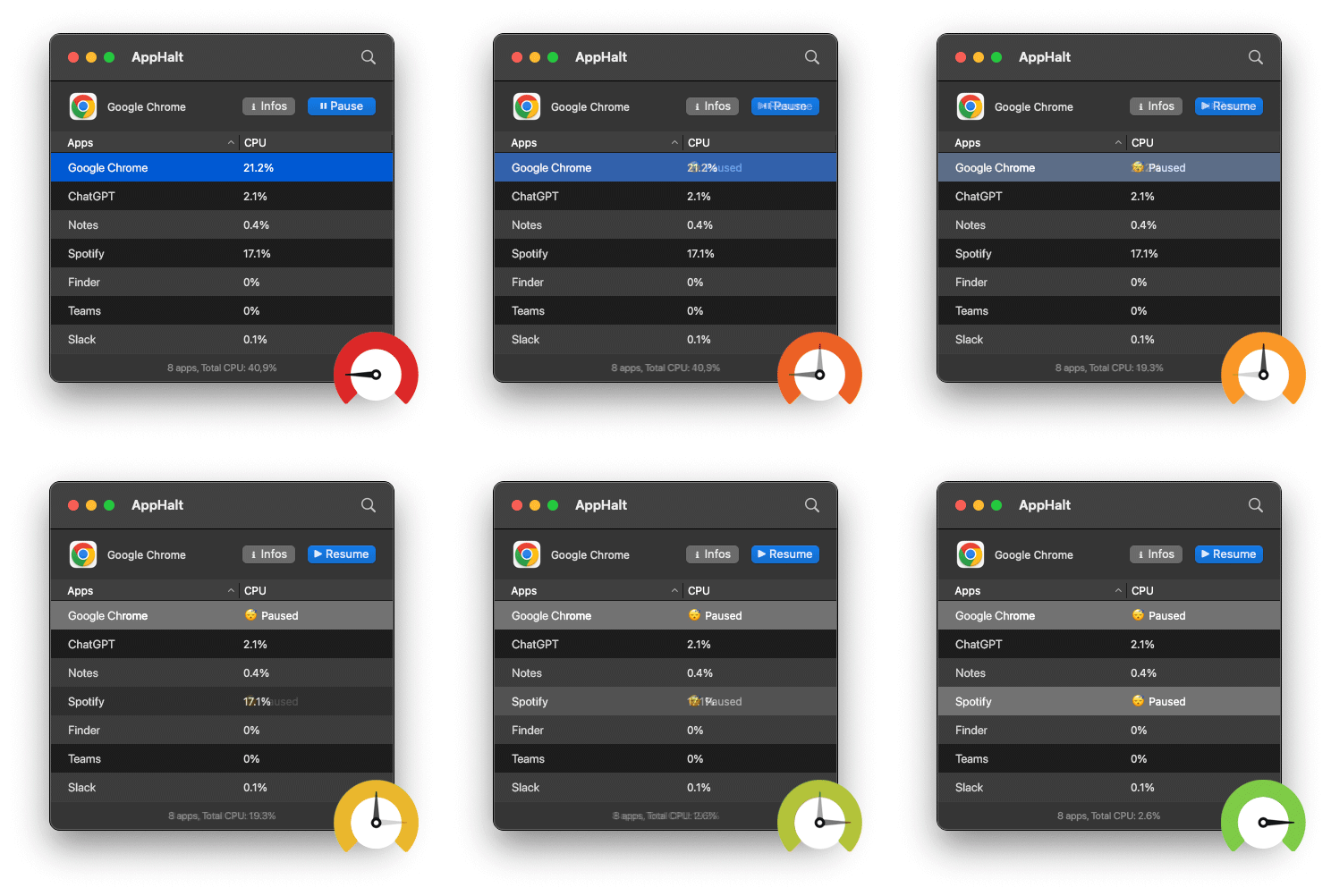
- ✅ Fix lag in seconds
- ✅ Free up CPU instantly
- ✅ Stay focused and fast
Where AppHalt may help
If Activity Monitor shows a regular app you recognise using resources while you do not need it, AppHalt gives you a reversible option: pause that selected app without quitting it, then resume it later. AppHalt does not repair macOS or guarantee a speed, temperature, battery, or stability result; the effect depends on what the app was doing.
Do not pause an app that is uploading, syncing, backing up, rendering, recording, playing media, or handling a call you need to continue.