
1. Mac Slow Due to Full Storage? You’re Not Imagining It 💾
If your Mac is slow due to full storage, it’s because macOS needs free disk space to operate efficiently. When your drive is nearly full, it affects everything—boot times, app performance, system responsiveness, and more. Even basic operations like copying files or opening folders can lag.
2. Why Full Storage Slows Down Your Mac
macOS uses available disk space to handle:
- Virtual memory and swap files
- System and app cache
- Temporary files during updates or installs
- Background syncing and Spotlight indexing
When your drive is at or above 90% capacity, these functions struggle—and your Mac becomes slow due to full storage.
3. Check How Full Your Disk Is
Go to Apple Menu → About This Mac → Storage. If you’re under 10–15% free space, it’s time to act. You’ll likely notice spikes in beachballs, freezing, and lag across most apps.
4. What to Delete Safely
- Old downloads, DMGs, and installers
- Large video files or music libraries you no longer need
- Apps you haven’t used in 6+ months
- Duplicate files and screenshots cluttering your Desktop
Also empty your Trash and clean up your cache folders. Tools like DaisyDisk or GrandPerspective can help visualize space usage.

6. Long-Term Tips to Avoid Storage Crises
- Enable iCloud Drive optimization
- Offload Photos and Videos to external drives
- Clean up login items that auto-launch large apps
- Run a monthly disk cleanup session
Apple’s Storage Management Help
Check this guide: Manage storage on your Mac – Apple Support
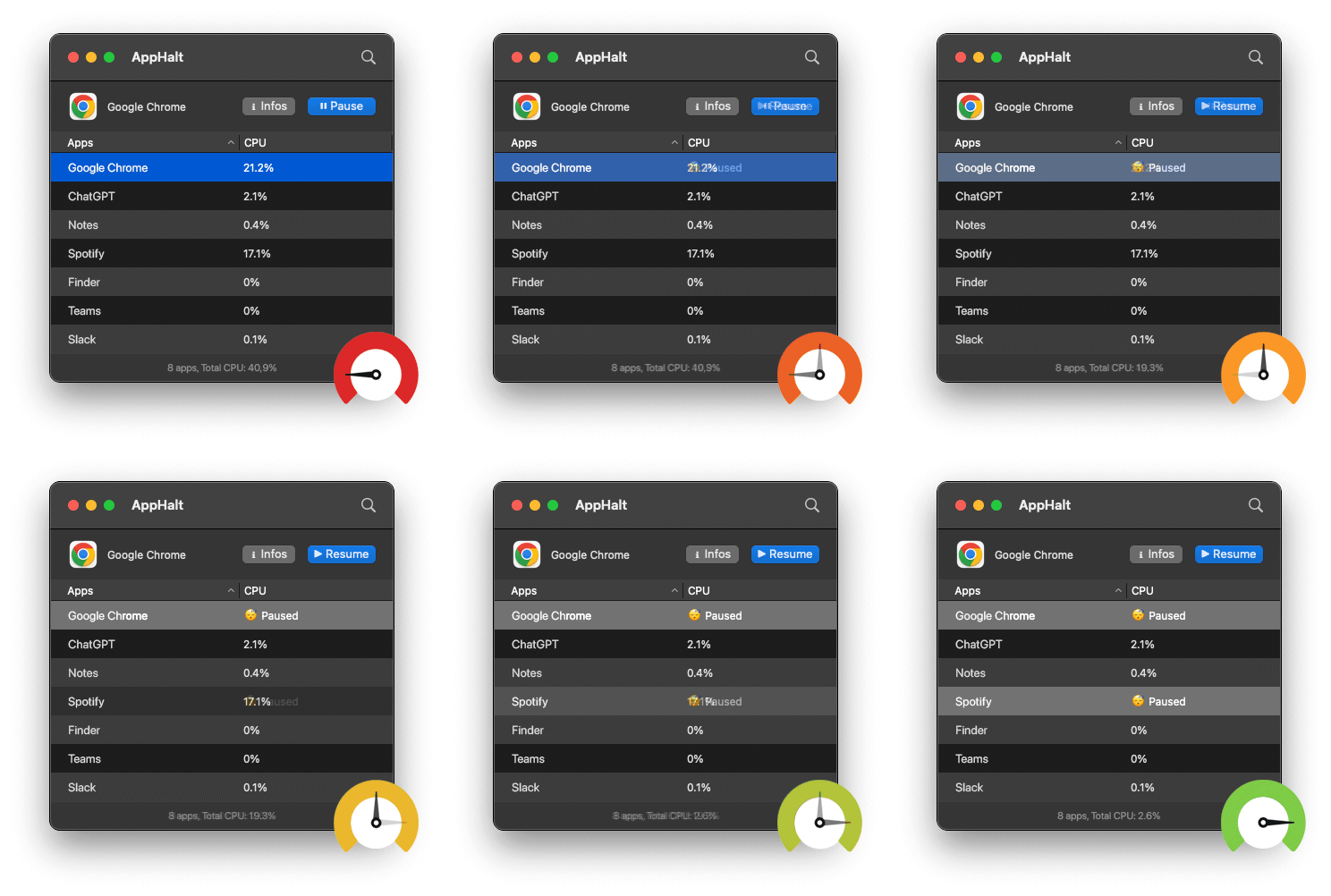
- ✅ Pause background apps to reduce pressure on system memory
- ✅ Regain responsiveness without deleting everything
- ✅ Make your Mac usable while you clean up your disk
Where AppHalt may help
If Activity Monitor shows a regular app you recognise using resources while you do not need it, AppHalt gives you a reversible option: pause that selected app without quitting it, then resume it later. AppHalt does not repair macOS or guarantee a speed, temperature, battery, or stability result; the effect depends on what the app was doing.
Do not pause an app that is uploading, syncing, backing up, rendering, recording, playing media, or handling a call you need to continue.